

Submissions
Follow

Publishing monthly, the journal is aimed at whoever has an interest in the power and role of images within society. Approaching this theme from a variety of perspectives and fields, Anima Loci welcomes the work of contributors from both academics and practitioners from a range of backgrounds including (but not limited to): writers, researchers, scientists, artists, philosophers, poets, designers, architects, photographers.
The journal publishes academic papers as well as first-person narratives and photoessays. Whilst rigorous in their investigations and use of theoretical frameworks, the texts should be also accessible to a non-specialist audience of readers.
Each article should be between 600 and 2000 words and should be accompanied by at least one image related to the subject.
If you would like to submit a piece for publication, please email info@animaloci.org with the following materials:
- A title and 150-250 word abstract for the article
- 1 relevant key image that will illustrate the article
- A 150-250 word biography for each author of the article
Recent articles
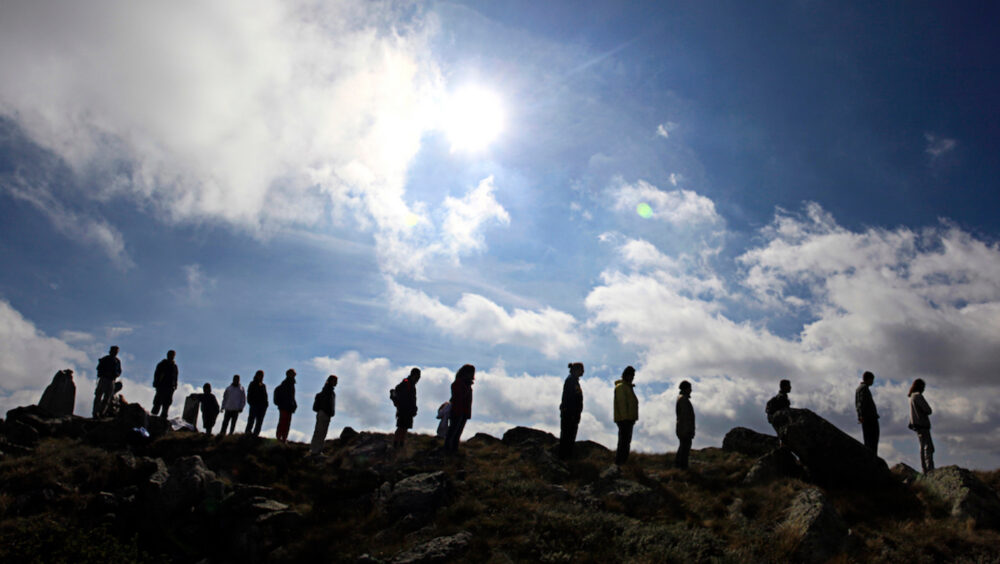
Walking through places generates mental images we carry with us: glimpses of where we were and what we did. But can we be sure of that? Think of the image you carry of a place you’ve walked: its colours, how it unfolded, its texture, its sound. Always slipping, always being… Read more »
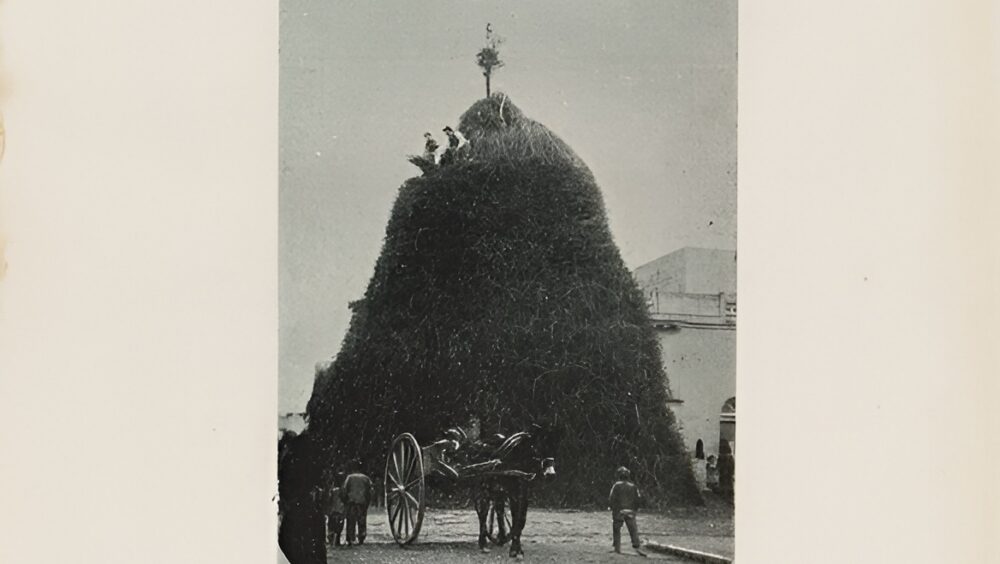
Known as Fòcara (from the Latin focus, meaning “fire”) in the Salento dialect of Southern Italy, the Fires of Saint Anthony in Novoli is a colossal bonfire lit annually in honor of Saint Anthony the Abbot, patron saint of animals. In this section of the Past Present Archive, we publish… Read more »
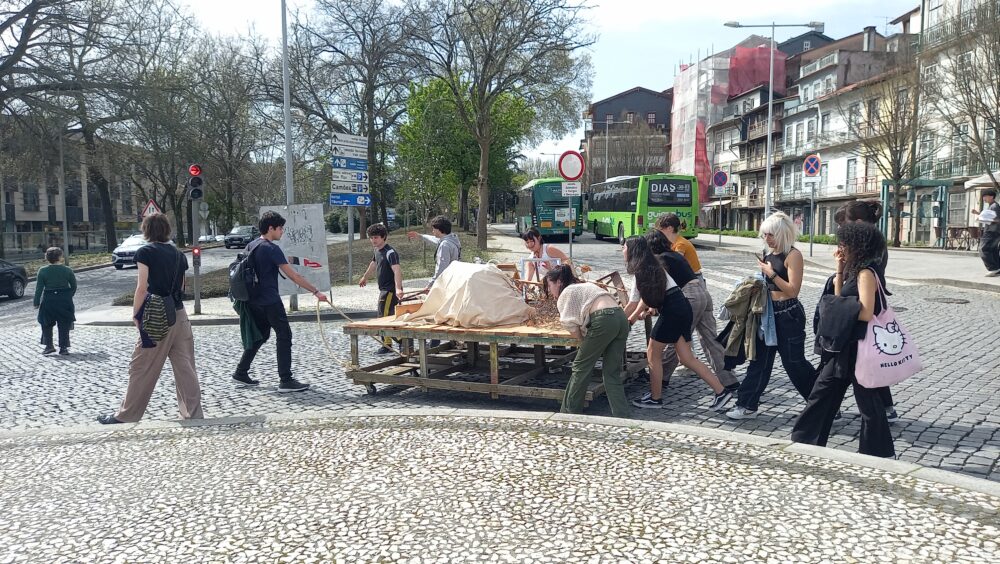
Unfolding through the city of Guimarães, Portugal, The Walking Body is an artistic research programme that explores collective walking as a methodology for situated knowledge, creative inquiry and engagement with place. Taking place across three consecutive editions (2024–2026), the programme has generated a range of artistic outputs: from drawings to… Read more »